
role of technology in agriculture
Feel Free To Connect
role of technology in agriculture
Author: Dial4exportmarket | Date: 12 Jan 2026
Role of Technology in Agriculture
Technology is transforming agriculture by improving productivity, reducing costs, and promoting sustainable farming. From smart farming tools to data-driven decision-making, modern technology plays a vital role in feeding a growing global population efficiently.
The role of technology in agriculture has grown significantly in recent years, helping farmers overcome challenges related to climate change, labor shortages, and resource management.
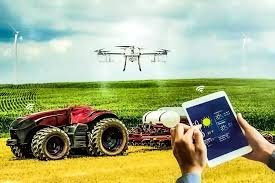
Advanced agricultural technologies enable higher yields, better crop quality, and sustainable farming practices. One of the most impactful innovations is precision agriculture, which uses GPS, sensors, and data analytics to monitor soil health, moisture levels, and crop conditions.
This allows farmers to apply water, fertilizers, and pesticides more efficiently, reducing waste and environmental impact. Smart irrigation systems have revolutionized water management by ensuring crops receive the right amount of water at the right time.
These systems help conserve water while improving crop growth, especially in regions facing water scarcity. The use of drones and satellite imaging has also transformed crop monitoring.
Farmers can easily detect pest infestations, nutrient deficiencies, and plant diseases at an early stage, minimizing losses and increasing productivity. Additionally, automation and farm machinery such as tractors, harvesters, and robotic equipment reduce manual labor and increase operational efficiency.
These technologies help farmers save time and lower production costs. Digital platforms and agricultural apps provide real-time market prices, weather forecasts, and best farming practices.
This empowers farmers to make informed decisions, improve supply chain management, and connect directly with buyers. Overall, technology plays a crucial role in modern agriculture by enhancing efficiency, sustainability, and profitability.
As innovation continues, agriculture will become more resilient and capable of meeting future global food demands.


